
Finding Toms River Resident Records
Toms River wears two hats. It runs a township government and serves as the Ocean County seat. That doubles the number of record keepers. It can work in your favor if you know which door to knock on. A parcel owner or a past transfer starts with an address. A court party starts with a full name plus the county. A registered voter starts the same way, and so does an estate lead. For a former household, an old library directory is often the smartest first stop. Keep one caution in mind: no single record covers everyone tied to an address.
A solid Toms River resident lookup builds a trail rather than leaning on one hit. Jot down the date, the source, and the role the record shows. An owner may get mail somewhere else entirely. A court party might hold only an old connection to town. A directory entry works well as a date marker. Yet it still earns trust only when you check it against the next record that comes along.
- Use the parcel address, tax map, or GIS record to obtain the block and lot.
- Check the current owner or mailing information through the assessor and tax-list route.
- Search the County Clerk index for a deed, mortgage, or related recorded instrument.
- Use the state registration route or County Election Board request channel for voter information.
- For older households, ask the Wheeler Room or Ocean County Historical Society for directories, yearbooks, and local indexes.
Note: Record the date and the person’s role in each result before treating separate sources as the same individual.
Toms River Resident Records Offices
Most resident records offices cluster around the Toms River courthouse and township core. The Toms River Tax Assessor holds property cards and tax maps. The Ocean County Clerk keeps recorded land instruments. It opens both counter and online access channels. The Ocean County Election Board administers voter registration and handles voter-information requests. Each office answers a different slice of a resident question.
Ocean County Clerk
Room 112, 118 Washington Street
Toms River, NJ 08754
732-929-2018
Toms River Tax Assessor
33 Washington Street
Toms River, NJ 08754
732-341-1000 ext. 8300
Property cards and tax maps
One more Clerk detail saves trips. A real-estate document drop box sits outside the courthouse and runs twenty-four hours, with anything deposited processed the next business day. It exists for submitting documents, not for instant copies. When a portal leaves a narrow records question unanswered, call or send a request straight to the office that holds the file.
Toms River Parcels to Deeds
For an address-based Toms River resident-record search, keep three things apart. One is the situs address. Another is the owner mailing address. The third is the legal parcel description. The situs is where the parcel sits. The mailing address is where tax bills travel. Block, lot, map, and legal-description fields tie the parcel into the recorded-document index. That index lives at the Clerk's records office. A mailing address that differs from the parcel adds useful context. It still proves nothing about who actually lives there.
Toms River GIS takes a property location or a Block and Lot. You can click a feature for its attributes, and it can surface a tax-map download link. It locates and inventories a parcel well. The township itself cautions that it is not a legal description. It also warns that data may not be accurate. Once the parcel is pinned down, the dedicated Toms River streets resource carries the address chain further.
The Assessor page appears in the official property-records source below.
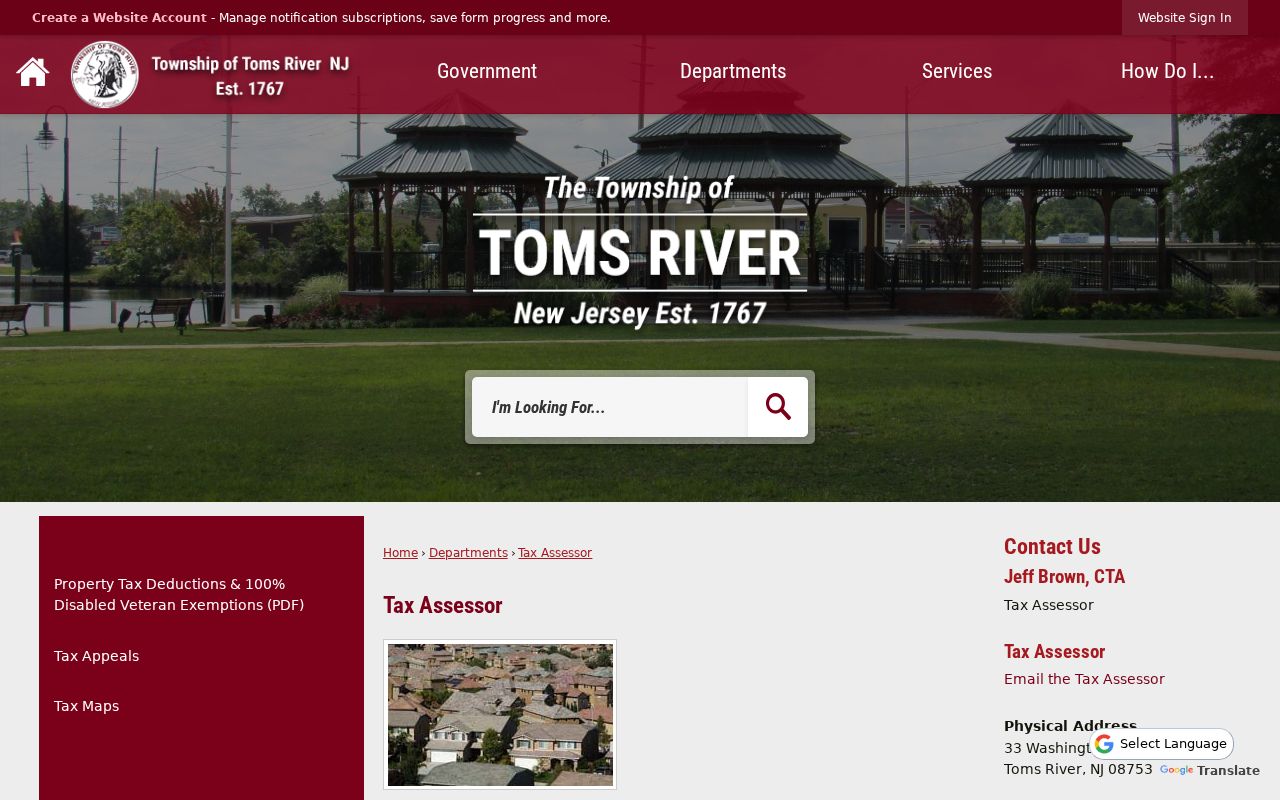
Property details and tax-map context come through the assessor. Recorded transfer details belong to the County Clerk instead. Keeping those channels straight saves time in any Toms River residents directory lookup.
Ocean County SearchNG Record Fields
Ocean County keeps a single free index called SearchNG public search. It reaches official records back to April 1, 1977. For a Toms River residents directory trail, it works best with a known address, block and lot, party name, or instrument number. Enter party names last name first, with no comma between them. Spelling variants help a great deal. You can also narrow results by town, document type, or date. Keep in mind that some images stay restricted. The index does not promise an image for every entry.
| Search field | How it works | Useful Toms River purpose |
|---|---|---|
| Party Name | Last-name first-name style; ALL or ANY matching | Find a grantor or grantee |
| Town and dates | Municipality plus From and To dates | Limit a recorded-document search |
| Document type | Grouped type selector, including codes such as MTG | Separate deeds and mortgages |
| Lot and Block | Paired legal-parcel fields | Connect a parcel to instruments |
| Book, page, or instrument | Exact book/page or instrument search | Reopen a known recording |
A result page carries real depth. You may see document type, instrument number, date, book and page, and consideration. Parcel and legal fields show up too, along with party labels and links to related documents. Print and PDF controls sit right there as well. SearchNG also flags verification status, corrections, and replacements. That lifts it above a plain name match. It holds up as long as the parcel and document details line up with each other. For records services and property search, the Ocean County Clerk landing page is the practical route. Property Alert lives there too.
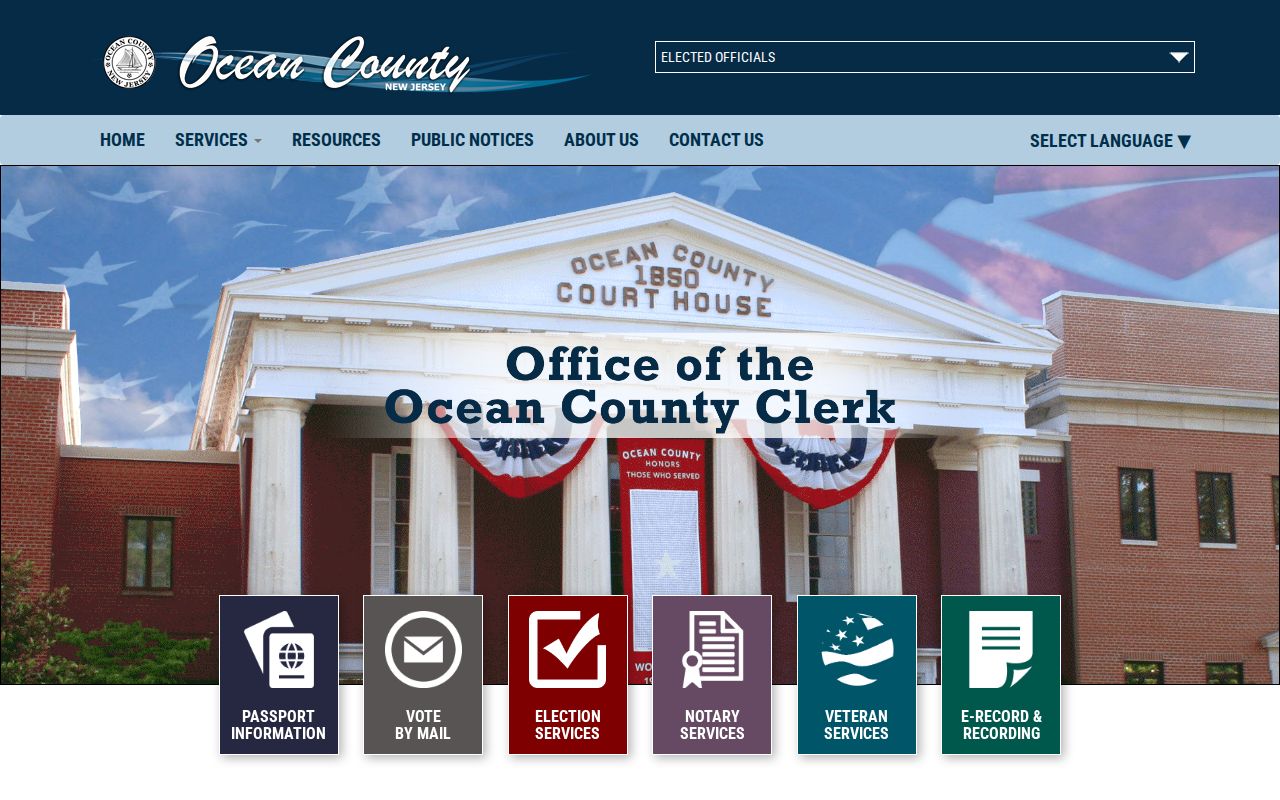
Property Alert sends email when a future document matches a party name and municipality, a block and lot, or a legal description. It stops no fraud. It also cannot stand in for a full historic deed search through the Toms River records chain.
Toms River Voter Status Limits
New Jersey keeps voter details close. The state's Am I Registered? tool checks one person's status at a time. It is not a Toms River residents directory. It shows no household roll or street list. Treat any result screen as personal to the voter queried. It is not public record data you can browse at will.
The county Election Board remains the reliable place for registration questions. State law sets what fields the system holds and who may see them. Signatures and protected identifiers stay sealed. The same rules guard addresses kept confidential for safety. A casual resident lookup cannot surface them. For a Toms River street directory or voter rolls in bulk, that access simply does not exist for the public.
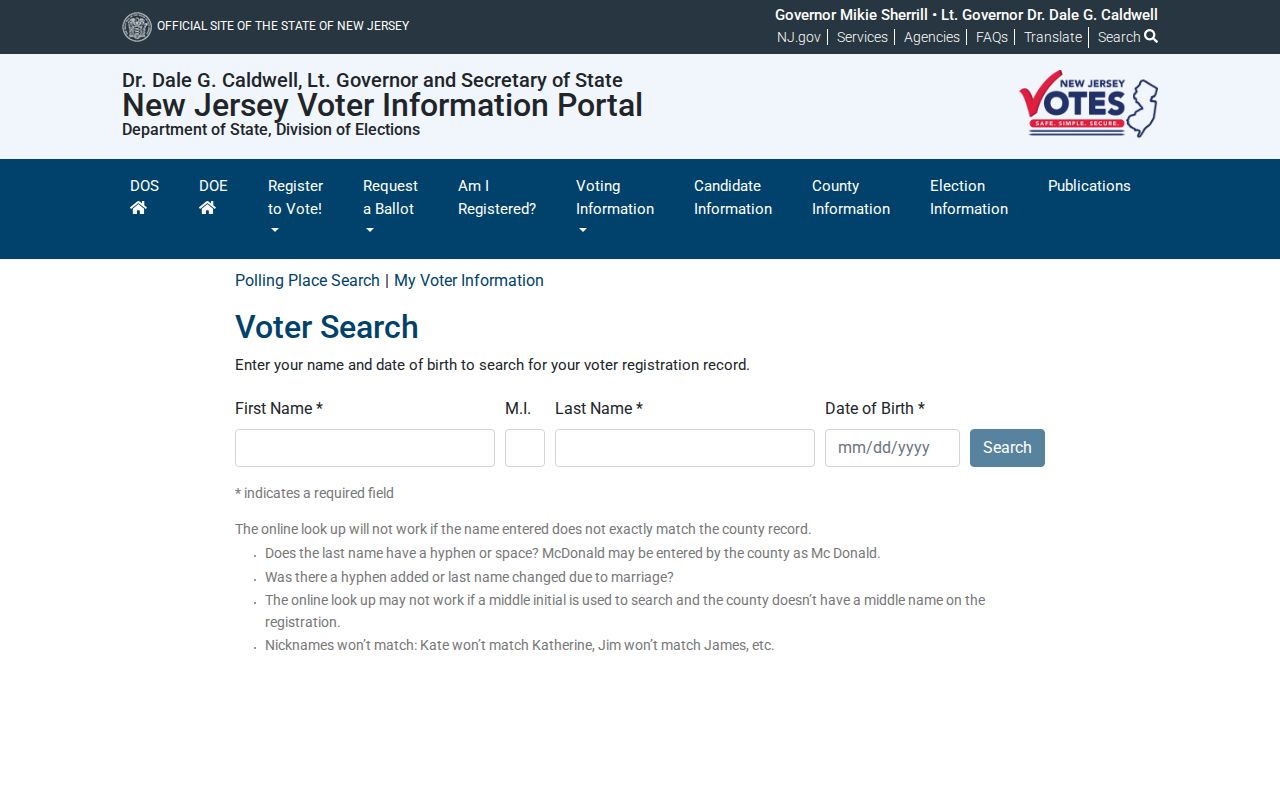
A Toms River registration result is a single dated civic record, not a household map. To place neighbors at an address, cross-check names through the residents directory and other records that lawfully disclose them.
Current Toms River Resident Sources
Building a current Toms River residents directory means drawing on records made for other purposes. Property rolls and tax records name owners and describe each parcel. Voter rolls confirm who is registered, under state rules. Recorded instruments list the parties to a transaction. Court files name parties to a case. None of these is a census of everyone in town. Keep that limit in mind. No single current source reaches every resident, family member, or protected person.
| Current source | What it can confirm | Custodian | Access route |
|---|---|---|---|
| Property card and tax map | Owner, parcel, situs and mailing information | Toms River Assessor | Office, tax map, and online references |
| Recorded-documents index | Parties, dates, legal parcel details and instruments | Ocean County Clerk | Free SearchNG index, counter, copies |
| Registration status | Voter status under the state system | State and Election Board | Status route or county request channel |
| Municipal court route | Public local case activity where available | Toms River Municipal Court | NJ Courts route, clerk, Judiciary request |
| License verification | Public professional or business license status | NJ Consumer Affairs | State person or business search |
A license lookup is one narrow tool, not a person file. The New Jersey verification portal lets you search people and businesses with live license verification.
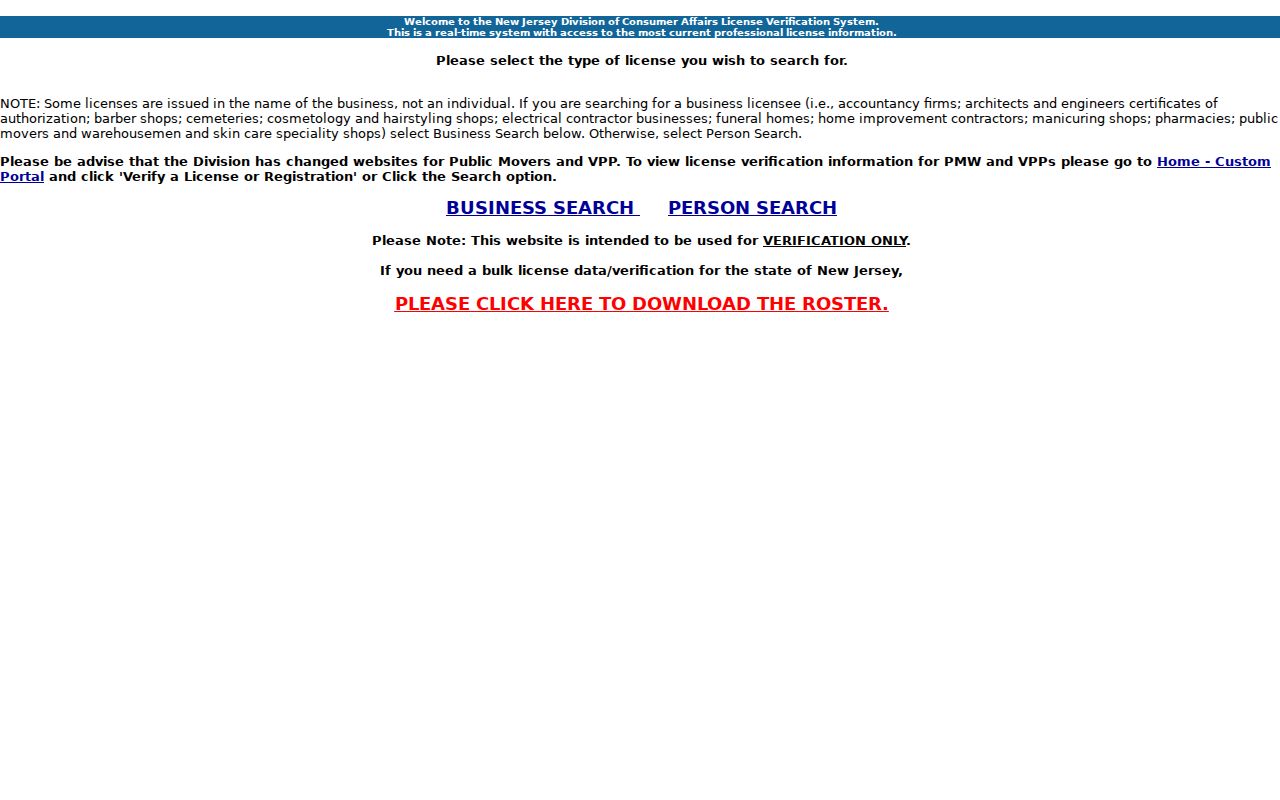
Read license results within their own lane. They can confirm a public professional role, but they say nothing about a private household or where someone lives now.
Toms River Court Search Paths
Three separate systems handle Toms River cases. These are the municipal court, Ocean County Superior Court, and the federal courts. Locally, the municipal court takes ordinance, traffic, DWI, disorderly-persons, and criminal matters. It routes case access through NJ Courts. The statewide NJ Courts public search splits into distinct paths. These cover civil and foreclosure matters, criminal records, judgments, Tax Court, and municipal cases. Always match a result to its court type, venue, party role, and date. The official New Jersey court portal appears below.
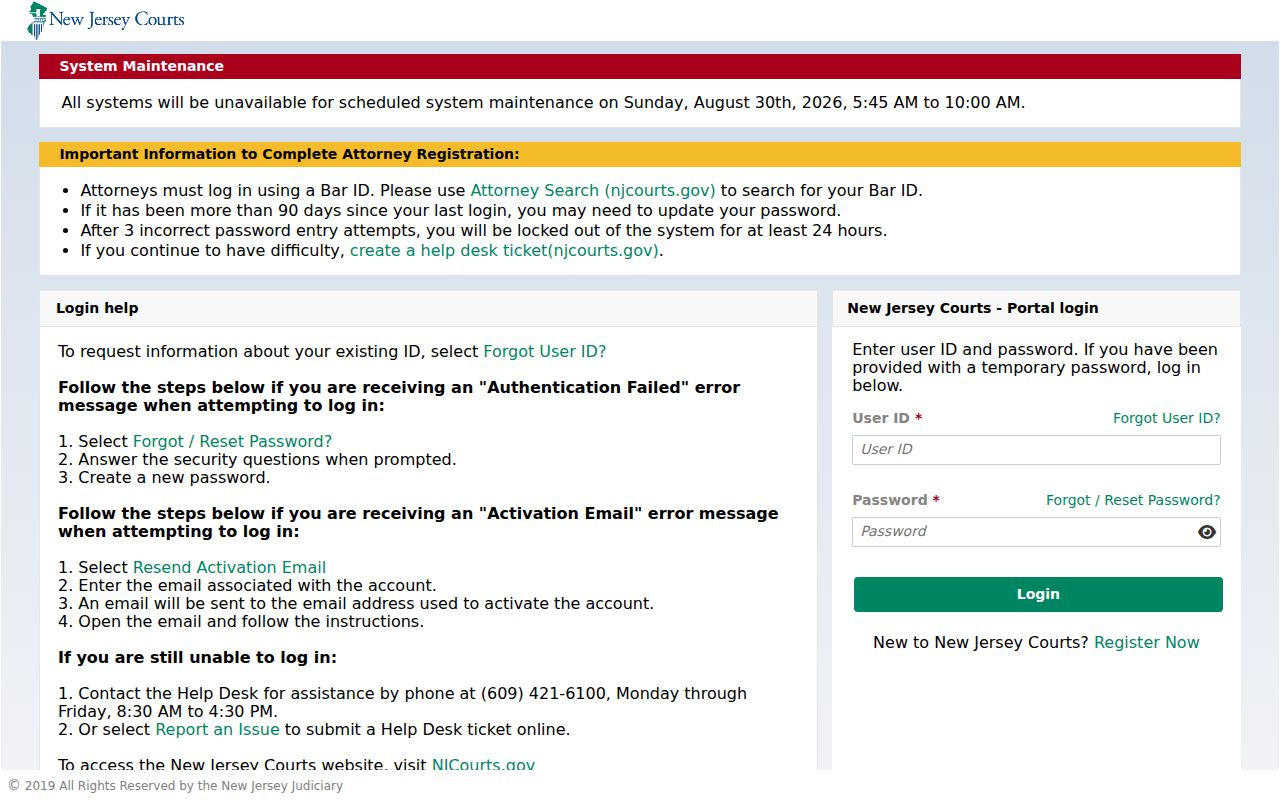
Special Civil training materials walk through searches by docket, party, or judgment. A hit may show a name, venue, docket number, and caption. It may also show the date the case began. Sealed, expunged, juvenile, adoption, and other restricted material follows different access rules. When a public result lacks the document you need, the Judiciary records-copy form is one fallback path. The courthouse itself is the other.
Toms River Vital Record Clocks
Birth, marriage, and death records are not open name-search tools. For an event in Toms River, the local registrar holds records from 1937 onward. It offers order routes for eligible copies. The local vital-order portal covers certified birth, marriage, and death selections. It includes an order tracker. Certified copies require identity and relationship evidence. Where the event took place matters more than where the family gets mail today.
Older research points to the New Jersey State Archives. Its historical holdings span different date ranges by record type. The state Department of Health is another certified-copy channel. Local, state, or archival: the right route depends on the event year. It also depends on the copy you need.
- Index
- A finding tool that points to a record. It is not automatically the original image or a certified copy.
- Certified copy
- An official copy issued under the custodian’s eligibility and identification rules.
- Parcel
- A mapped tract of property identified by a situs address and legal tax-map fields.
- Criss-cross directory
- An address-first directory used to identify entries associated with a street address.
Toms River Records Map Versus Deed
The sharpest comparison here is a parcel map against a recorded deed. GIS can identify or inventory parcel geometry. It can layer maps. It can also point you to a block and lot. It cannot give the legal description. A deed index, by contrast, shows that an instrument was recorded. It names the parties and lists the recording details. It proves nothing about mapped boundaries or about who actually lives at the parcel.
Geography makes this matter in Toms River. A township label, a postal city label, and a CDP label can all sit on different maps. So can an Ocean County office address. Keep the USPS ZIP, the municipality, and the current street name in separate notes. Add any older street name. Add the block and lot too. That habit stops a weak address match from hardening into a false household conclusion.
Toms River Name Change Clues
Historical searches in this area need the name Dover as much as Toms River. The first surviving township minutes, dated March 1783, carry the Dover name. The township did not become Toms River until 2006. Ocean County itself was formed in 1850. Old deeds, marriage abstracts, minutes, and local directories may therefore speak of Dover. The place is modern Toms River all the same.
Street names shift too. A 1973 ordinance renamed Dover Avenue to Division Street. The same ordinance renamed First Street to Canoe Street, among other examples. When a modern address draws a blank in old records, try both names. The county's online official-records index starts April 1, 1977. Earlier deed work may call for the Clerk, the State Archives, or a local historical collection instead of a web result.
Note: Preserve the original place name, street name, book or volume, page, and date when comparing historic Toms River records.
Historical Toms River Resident Directories
Two local shelves stand out for past residents of Toms River. One is the Ocean County Library's Wheeler Room. The other is the Ocean County Historical Society. The library keeps local manuscripts, old directories and phone books, school yearbooks, maps, atlases, and genealogy help. The Historical Society holds family files, vital abstracts, newspapers, phone books, yearbooks, obituaries, church material, cemetery and funeral records, maps, and local indexes. A librarian or researcher can point you to the format and year that fit your question.
The Historical Society verifies phone-directory runs for 1956-57, 1970-2007, 2010, and 2014. Those volumes bridge the space between a deed trail and a census or obituary lead. The Toms River city directory collections page details the full collection method and catalog context. The 1872 Beers map can supply a pre-directory landowner and lot clue.
The Toms River Municipal Clerk source appears below.
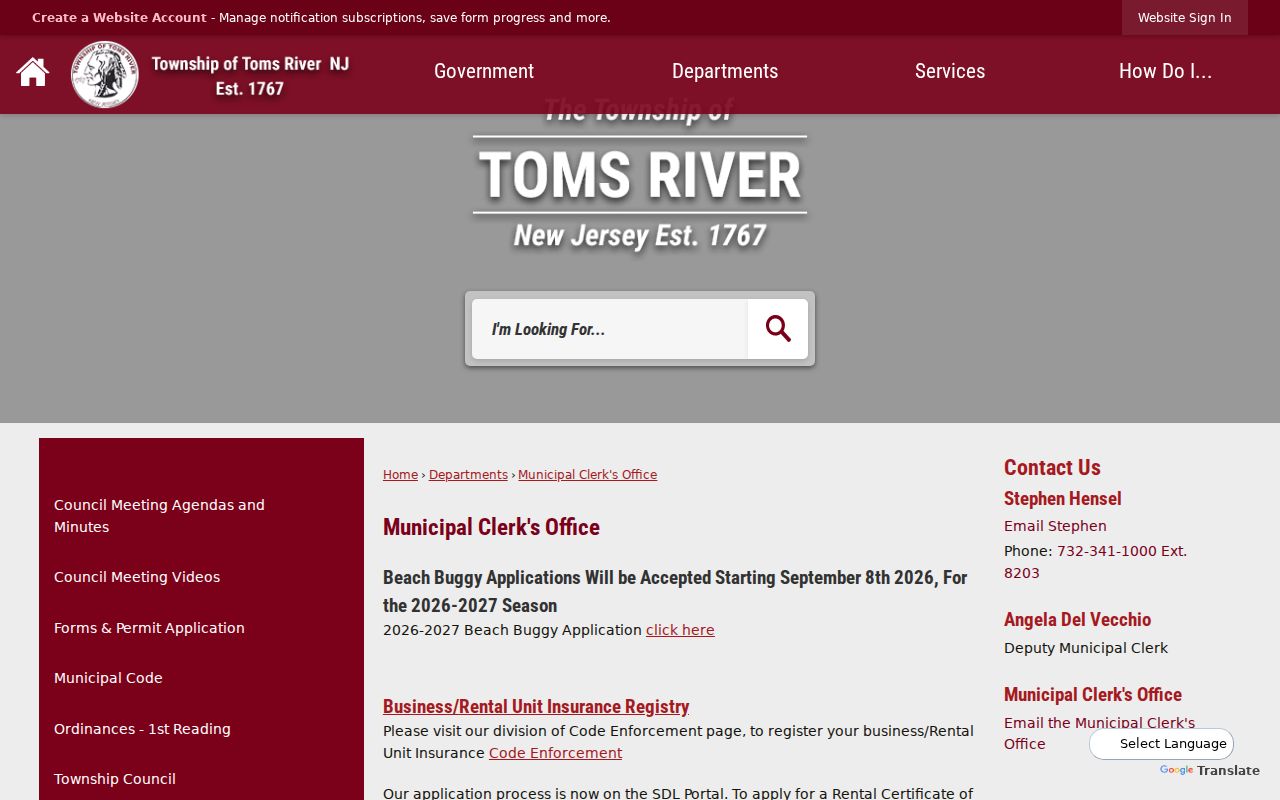
The Municipal Clerk routes local public-record requests through the township OPRA system and keeps guidance on historic municipal records. It suits a specific existing township record. It is not built for open-ended searching.
Toms River Privacy and Requests
New Jersey's Open Public Records Act, cited as P.L. 2001, c.404 and N.J.S.A. 47:1A-1 et seq., gives any person the right to ask a public agency for an identifiable record. That record must already exist. A strong request names the custodian, the record type, a date range, and the format you prefer. The agency has no duty to do your research for you. It will not build lists or answer open-ended questions either. Plan on a response within seven business days. The law allows exceptions and extensions in some cases.
Some records stay protected even in a thorough Toms River resident lookup. The New Jersey Address Confidentiality Program and Daniel's Law allow certain addresses to be substituted or redacted. Federal law guards motor-vehicle personal information. Court files can be sealed or restricted too. If a result is not public, follow the route the custodian states. Do not try to infer private facts from some other record set.
The Township runs online OPRA requests through GovQA. Its published guidance also accepts a written request to the Municipal Clerk. Keep each request to one custodian and one identifiable record set. County court records go through the NJ Courts route instead of ordinary county OPRA, while a County Clerk deed question belongs with the Clerk. Electronic records are generally free aside from actual supply or special costs. The statewide OPRA rule sets copy charges of five cents for a letter-size page. It sets seven cents for a legal-size page. Ask the custodian for a current quote when a file needs copying or special handling.